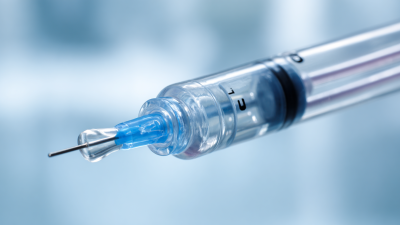
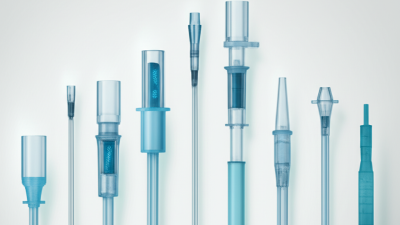
Ureteral Catheters are pretty essential tools when it comes to managingurinary tract issues. You know, they're often used to help drain urine from the kidneys down into the bladder during surgeries or for other treatments. I came across a report from Healthline that mentions how the number of these procedures has shot up by about 30% over the past ten years — no surprise, really, given how important they’ve become in modern urology. That said, even though these catheters are widely used, they’re not without risks. If not used properly, complications can happen. The NIH reports that up to 1 in 5 patients experience some sort of problem related to catheterization, which is why it’s so crucial for healthcare providers to follow the best practices out there to keep things safe and effective.
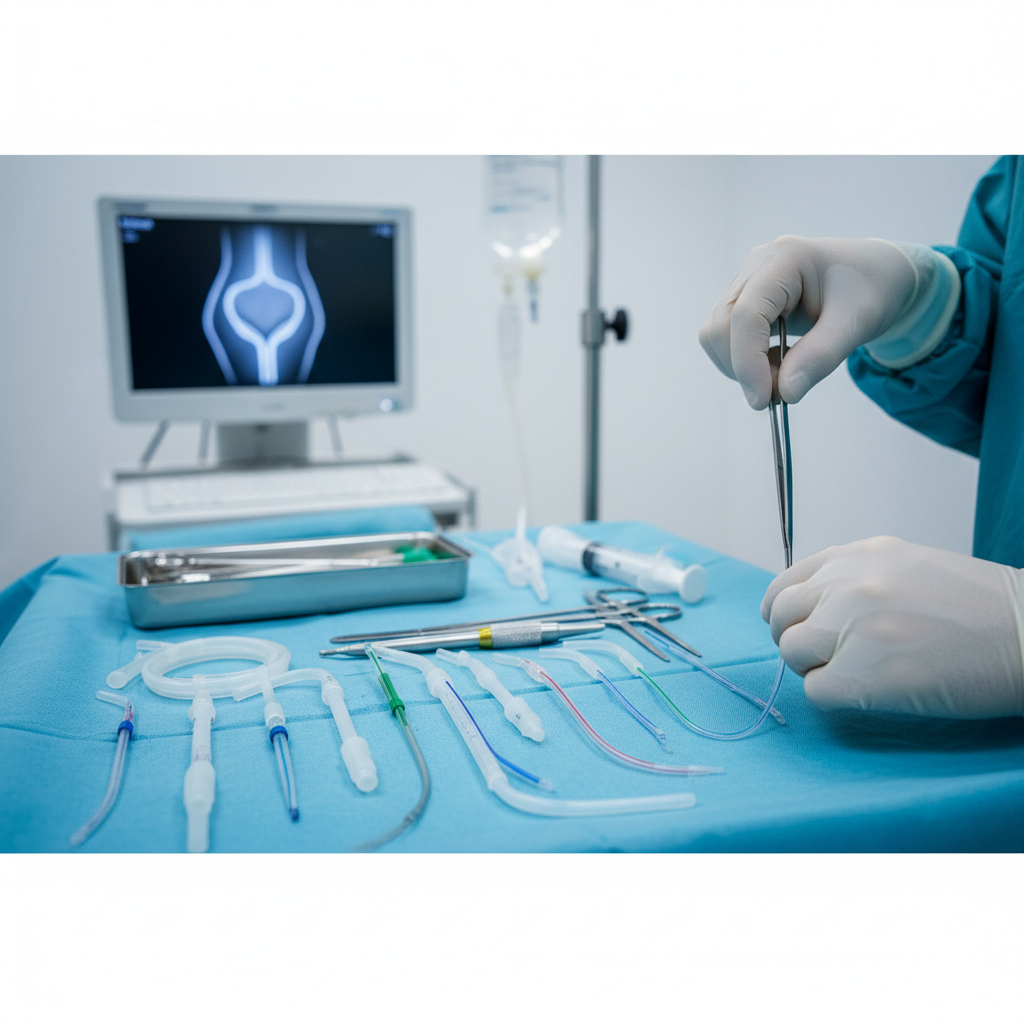
Getting a good handle on the ins and outs of ureteral catheters really helps medical teams reduce risks and improve patient outcomes. Luckily, new and improved catheter designs, backed by research from the Journal of Urology, are making the whole process easier and more efficient. In this article, I’ve put together what I’d call the “Top 10” tips for using ureteral catheters the right way. The goal is to teach practitioners some key points that can lead to more successful procedures and better safety for patients. If healthcare professionals keep these tips in mind, they can make sure they’re getting the most out of these tools, which ultimately helps make urological care safer and better for everyone involved.
When selecting the right ureteral catheter type, it’s crucial to consider several factors that can impact both the effectiveness and safety of the procedure. First, assess the specific medical condition of the patient. For instance, certain catheter types are better suited for navigating strictures or obstructions. Also, the material of the catheter plays a vital role; Silicone Catheters may provide greater patient comfort and reduce the risk of infections compared to latex options.
Another key consideration is the catheter size, which can vary significantly. Choosing the right gauge is essential to ensure optimal flow while minimizing trauma to the ureter. Catheters that are too large can cause injury, while those that are too small may not drain adequately.
Tips for effectively using ureteral catheters include maintaining a sterile technique during insertion to prevent infections, and securing the catheter properly to avoid displacement. Always monitor the patient's response to the catheter, checking for any signs of discomfort or complications. Regularly assessing the catheter’s patency will help ensure it remains functional throughout its use.
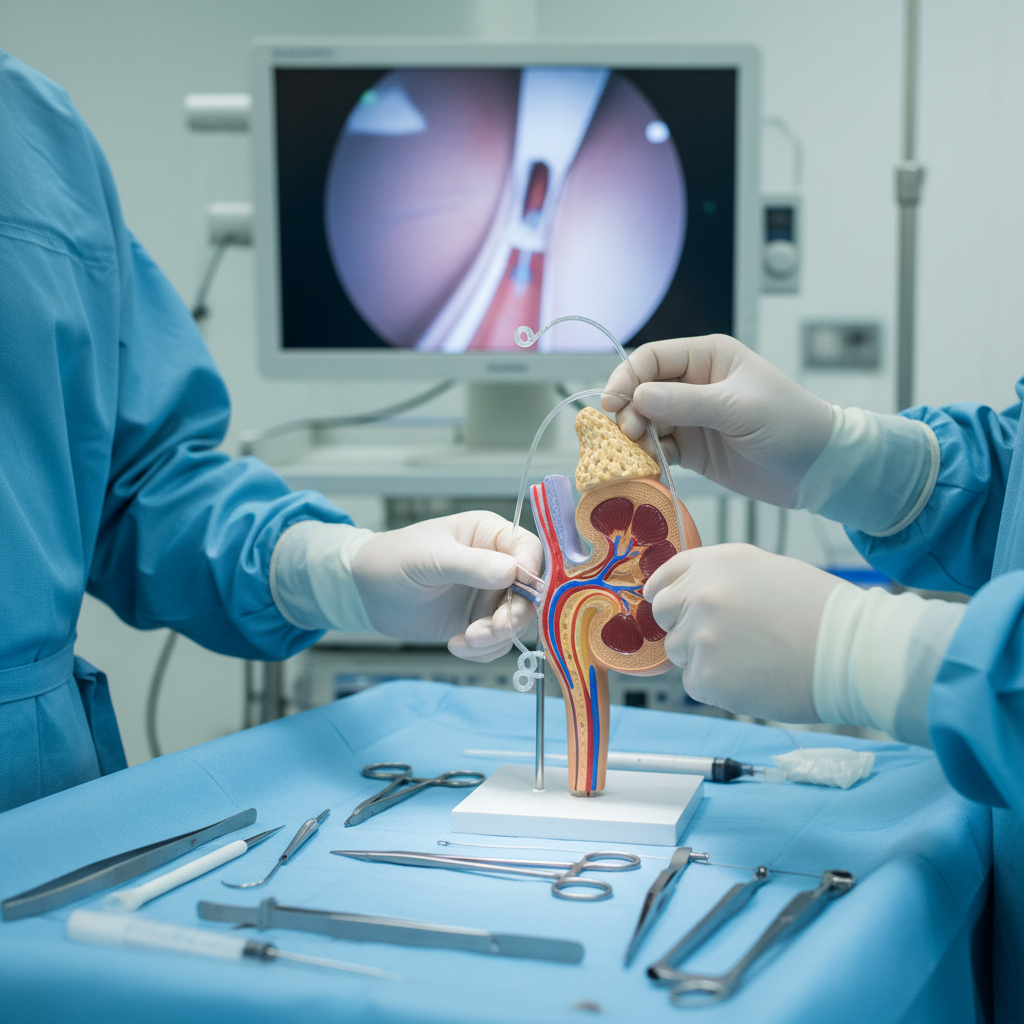
Inserting ureteral catheters requires meticulous attention to technique to ensure patient safety and procedural success. Before beginning, healthcare providers should ensure that they have the appropriate equipment, including sterile catheters, lubricants, and imaging tools to assist in placement. It is crucial to adequately prepare the patient by discussing the procedure, obtaining informed consent, and ensuring comfort. Proper positioning of the patient, usually supine, facilitates easier access to the ureters.
During insertion, a gentle and steady approach is vital. The use of a guidewire can enhance the ease of catheter navigation. Always aim to avoid unnecessary trauma to the ureters by using minimal force and adhering to a smooth, controlled advance of the catheter. Continuous monitoring of the patient’s response during the procedure is essential, as any signs of discomfort or complications should be addressed immediately.
After successful insertion, confirm the catheter's placement through imaging and secure the catheter appropriately to prevent dislodgement.
Maintaining ureteral catheter patency is crucial for effective patient care and minimizes complications. Regular monitoring is essential; healthcare professionals should assess catheter function frequently to ensure no obstructions are present. It is also vital to adhere to proper aseptic techniques during insertion and maintenance to prevent infections. Utilizing appropriate flushing techniques and ensuring adequate urine flow can help in maintaining catheter patency and preventing the buildup of sediment or debris, which can lead to blockages.
At Tianck Medical Co., Ltd., we are dedicated to providing precision-engineered ureteral catheters that support these best practices. Our products are designed with the evolving needs of medical professionals in mind, ensuring that they can deliver the highest level of care to their patients. By focusing on durability and functionality, our catheters help healthcare providers maintain optimal performance while significantly enhancing patient outcomes. Prioritizing safety and effectiveness in ureteral catheter usage is pivotal for the success of any medical procedure involving urinary tract management.
This chart illustrates the effectiveness of various techniques used to maintain ureteral catheter patency over a period of time, measured in months. The techniques analyzed include Regular Flushing, Use of Antispasmodics, Hydration Management, and Monitoring.
Ureteral catheters are commonly used in various medical procedures, but they can lead to significant complications if not monitored and managed correctly. According to a study published in the *Journal of Urology*, complications from ureteral catheterization occur in approximately 10-30% of cases, highlighting the importance of vigilance in patient care. These complications can range from urinary tract infections to more severe issues like ureteral injury or obstruction, which can subsequently lead to renal impairment.
Effective monitoring of patients with ureteral catheters is essential. Regular assessment of urinary output, catheter patency, and signs of infection can help in early identification of complications. A report from the *American Urological Association* suggests that implementing a standardized monitoring protocol can reduce the incidence of catheter-related complications by up to 25%. Additionally, staff education on the proper techniques for catheter insertion and maintenance is crucial. Such measures not only enhance patient safety but also reduce healthcare costs associated with complication management, demonstrating the necessity of comprehensive training and rigorous adherence to protocols in urological practice.
Ureteral catheters play a critical role in managing urinary tract obstructions and aiding recovery after surgical procedures. To ensure patients can navigate their treatment effectively, education on the proper use, potential complications, and hygiene practices associated with ureteral catheters is essential. According to the Urology Care Foundation, approximately 80% of patients with ureteral catheters report feeling uncertain about their purpose and care requirements, which can lead to unnecessary anxiety and challenges during recovery.
Empowering patients with knowledge can significantly enhance their experience and outcomes. Educational resources should cover the signs of infection, such as fever or unusual discharge, and emphasize the importance of keeping the catheter site clean and dry. Furthermore, a study published in the Journal of Urology found that informed patients demonstrated a 30% decrease in catheter-related complications, highlighting the value of effective patient education. By fostering an understanding of ureteral catheters, healthcare providers can help patients feel more in control of their health and promote safer, more effective use of these medical devices.
| Tip | Description | Importance |
|---|---|---|
| Choose the Right Catheter Size | Select an appropriate size based on patient anatomy to ensure comfort and reduce complications. | Prevents trauma and facilitates drainage. |
| Maintain Sterility | Use sterile equipment and follow aseptic techniques during insertion. | Minimizes the risk of infection. |
| Regular Monitoring | Check the catheter frequently for signs of blockage or infection. | Ensures timely intervention to prevent serious complications. |
| Educate the Patient | Provide information on the purpose and care of the catheter. | Empowers patients to identify early signs of issues. |
| Hydration | Encourage adequate fluid intake to promote urine flow. | Helps prevent urine stagnation and infection. |
| Timely Catheter Removal | Assess the need for the catheter regularly and remove it as soon as feasible. | Reduces the risk of catheter-associated complications. |
: Key considerations include the patient's specific medical condition, the catheter material (silicone vs. latex), catheter size, and the potential for navigating strictures or obstructions.
The right gauge ensures optimal urine flow while minimizing trauma; larger catheters can cause injury, while smaller ones may not drain adequately.
Maintain a sterile technique during insertion, secure the catheter properly to prevent displacement, and regularly monitor the patient's response and catheter patency.
Ensure that all appropriate equipment is available, discuss the procedure with the patient, obtain informed consent, and position the patient comfortably.
Providers should use a gentle and steady approach, consider using a guidewire for navigation, and apply minimal force to advance the catheter.
Regularly monitor catheter function, adhere to aseptic techniques, utilize proper flushing techniques, and ensure adequate urine flow to prevent obstructions.
Continuous monitoring of the patient’s response is essential; any signs of discomfort or complications should be addressed immediately.
Imaging is used to confirm the catheter's placement after insertion, ensuring it is positioned correctly within the urinary tract.
Silicone catheters typically provide greater patient comfort and reduce the risk of infections compared to latex options.
The company provides precision-engineered ureteral catheters designed to support best practices in urinary tract management, focusing on durability and functionality for enhanced patient outcomes.
The article "Essential Tips for Using Ureteral Catheters Effectively and Safely" provides crucial insights into the proper use and management of ureteral catheters. It emphasizes the importance of selecting the appropriate catheter type for individual patient needs, ensuring that healthcare professionals are equipped with the knowledge to make informed decisions. Furthermore, it outlines safe techniques for catheter insertion, highlights best practices for maintaining catheter patency, and addresses potential complications that may arise during catheter use.
Additionally, the article underscores the significance of patient education in promoting understanding and compliance with ureteral catheter management. By empowering patients with knowledge, healthcare providers can enhance overall outcomes and foster a more collaborative healthcare environment. The commitment of Tianck Medical CO., Ltd. to provide precision-engineered medical products aligns with these best practices, ultimately supporting advancements in patient care and safety through effective ureteral catheter usage.